
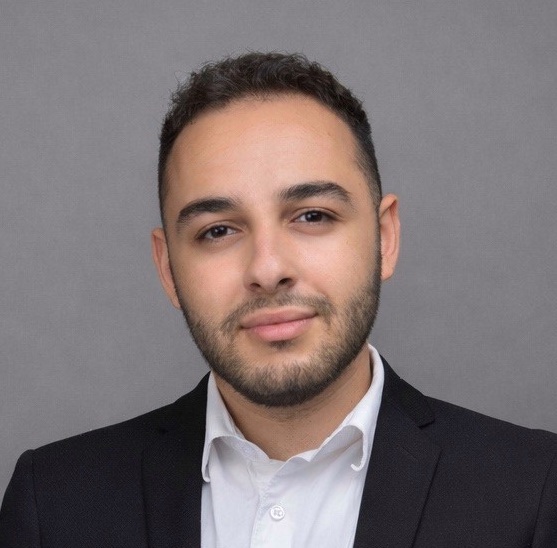
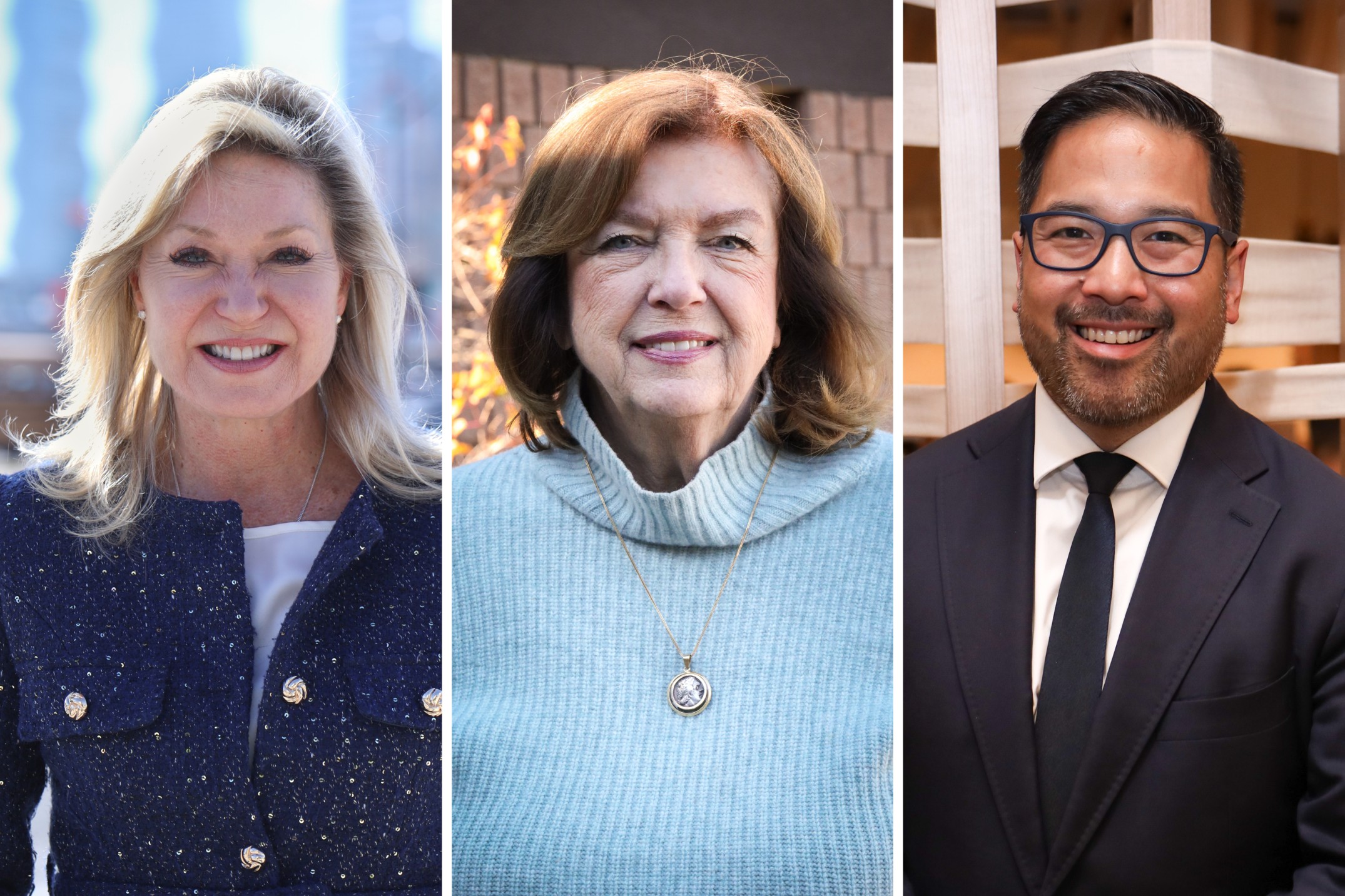

Drama in the 905 — Carolyn Parrish doesn’t want to talk about Bonnie Crombie.
We’re barely five minutes into an interview, and she’s had enough of the subject. “Why are we talking about Bonnie?” she asks, mildly annoyed.
Not long ago, she didn’t think she’d have to. Parrish thought she’d seen the last of Crombie.
When the then-Mississauga mayor made her run for Liberal leader in 2023, Parrish, then a city councillor, was eager to see her go. So eager was she that she and her husband, David, took out party memberships to vote for Crombie in the leadership contest. (His name never appeared on the voter list, so only Parrish got to vote.)
“I thought it was time for her to go,” said Parrish, characteristically blunt. “She’d been there quite a while… and I think she had had enough.”
Crombie won the leadership and relinquished the mayoralty. Soon enough, Parrish was elected mayor, beating 19 other candidates in a crowded by-election for a job she’d long wanted. For a while, the two were out of each other’s way: Crombie had Doug Ford to beat, and Parrish had a city to run.
Then, in early 2025, Crombie lost to Ford. Her run as leader would be over before long, ended by a lacklustre leadership review and a caucus threatening revolt. Out of a job, it was hardly a secret that Crombie was taking meetings. “I knew I had one more chapter, and I had to decide how I wanted to spend it,” she said, having considered both private-sector jobs and public appointments.
In the end, Crombie insists, home was the answer. “I realized that I’m really needed back here.”
It was just as Parrish had predicted. Her 15-year rival, whom she once helped send up the ladder and out the door, is back. This time, Crombie’s out to wrest away the job her successor finally won two years ago — the best job Parrish has ever had, she says, and one she isn’t willing to give up, to Crombie or anyone else. It has made for the province’s most-watched, and most bare-knuckled, mayoral contest in years, featuring two of only three people to have held the job since 1978.
For two people who don’t want to talk about each other, Parrish and Crombie can’t seem to stop. There have been online zingers (a “White Christmas” reference here, an AI-made ad featuring an empty desk and abandoned heels there), a debate-stage “blonde bombshell,” and contradictory charges over who abandoned the city.
But the grudge match has been crashed. Alvin Tedjo, the one-term councillor who was Parrish’s runner-up in 2024, has climbed into a three-way tie with the incumbent and her predecessor, running as the generational break from both Parrish and Crombie. Each says he’s eating into the other’s support, but Tedjo has given both plenty of reason to sweat, however much they’d like to tune him out.
Much of that climb has come at the expense of Dipika Damerla, whose campaign has all but imploded. The councillor and former cabinet minister entered the contest running ahead of Tedjo. She’s now in the single digits, has been plagued by turnover, and is tangled in a legal dispute over pay with her former communications director, who is now working for Tedjo. Damerla has vowed to stay in until the end, and on the eve of the election, she’s still here.
That said: A clash of two old adversaries has become a three-way race that any of them could plausibly win. A Parrish or Crombie win Monday night will likely close the other’s political career. A Tedjo win could close both. And in a city that once re-elected the same mayor for 36 years, that’s something of a novelty.
How did a contest between two old rivals turn so acrimonious, so personal and so unpredictable? Here’s the story.
The rivalry — Rewind to 2011.
That year, Crombie beat Parrish, a former councillor, by some 240 votes in a bruising by-election in Ward 5. She had muscle behind her in then-mayor Hazel McCallion, who was bent on keeping Parrish as far away from Mississauga City Hall as she could get her. The reason wasn’t hard to find. Parrish had pushed for the $7-million judicial inquiry into a downtown real estate deal involving McCallion’s son, Peter.
“Hazel encouraged me to run against her because she didn’t want her on council,” Crombie said in an interview. “She felt that she was her nemesis.”
In defeat, Parrish dismissed Crombie as “her blondness,” a failed federal parliamentarian and a “woman under orders.”
Looking back, Parrish calls that race “nasty,” but insists she let it go long ago. Politics, she says, hands everyone a list of enemies; the trick is not to carry it. “I don’t carry grudges. It’s just too burdensome,” she said. “When you’re in this business, you can make all kinds of enemies. If you keep a list of them and you’re carrying them around with you, it’s not a good thing.”
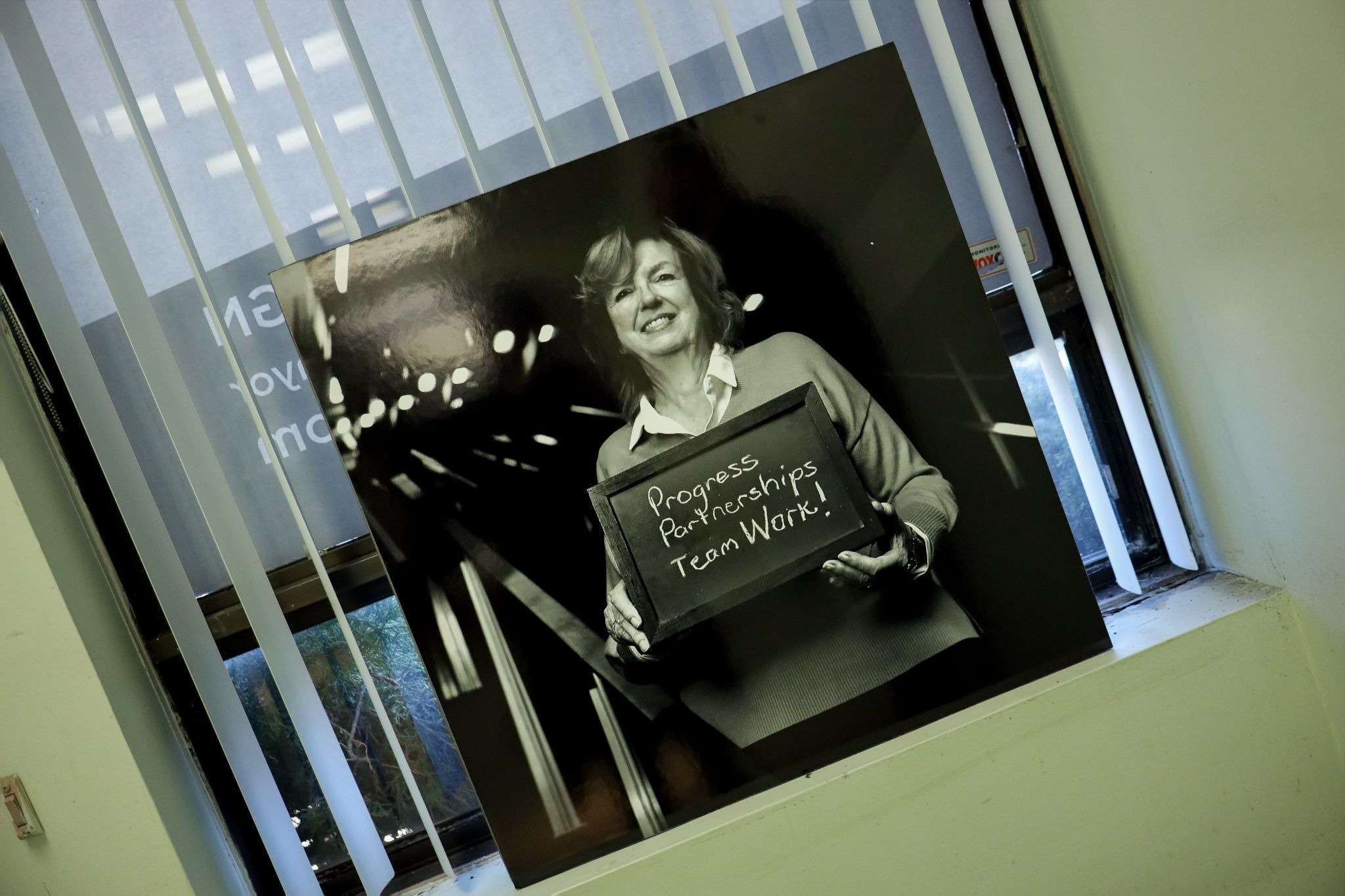
Crombie replaced McCallion as mayor in 2014, and Parrish returned to council, now seated across from the woman who had beaten her three years earlier.
Somehow, they made it work. Parrish says she showed up ready to cooperate. “I always wanted to be a councillor,” she said. “I was happy to be back on, and happy to be a cooperative person.”
Crombie says the same. “Of course, I’m cordial with everyone,” she said coolly. “I’m a professional,” she added, in a thinly veiled shot at Parrish.
There was even a time when Crombie was happy to praise Parrish in public. On the night Parrish won, the former mayor crashed the new mayor’s press conference. The two hugged. Crombie said she’d always known Parrish would win, and predicted she’d make a “formidable mayor.” The praise stayed with Parrish, and these days she likes to remind Crombie of it. She’s been less charitable about the visit itself: “Crombie hijacked a press conference, making it all about Bonnie, her favourite theme,” she once wrote.
It was the kind of friction two politicians can live with when they aren’t in each other’s way. The peace held only so long as one of them was mayor and the other wasn’t. Once they were competing for the same chair, it was over.
Even the McCallions are split.
Hazel’s son, Peter, is supporting Parrish. “Mississauga deserves a mayor who’s focused on the future and not their next move,” he said in a video endorsement Thursday. “That’s why I’m supporting Carolyn Parrish.”
He has said publicly that his mother came to regret endorsing Crombie, a claim Crombie doesn’t buy. “I don’t believe it,” she said. “I think this is constructed for their vested interests, and that’s getting Carolyn elected.”
Hazel’s granddaughter, Erika, is supporting Crombie. She, Crombie said, “knows what was what then.”
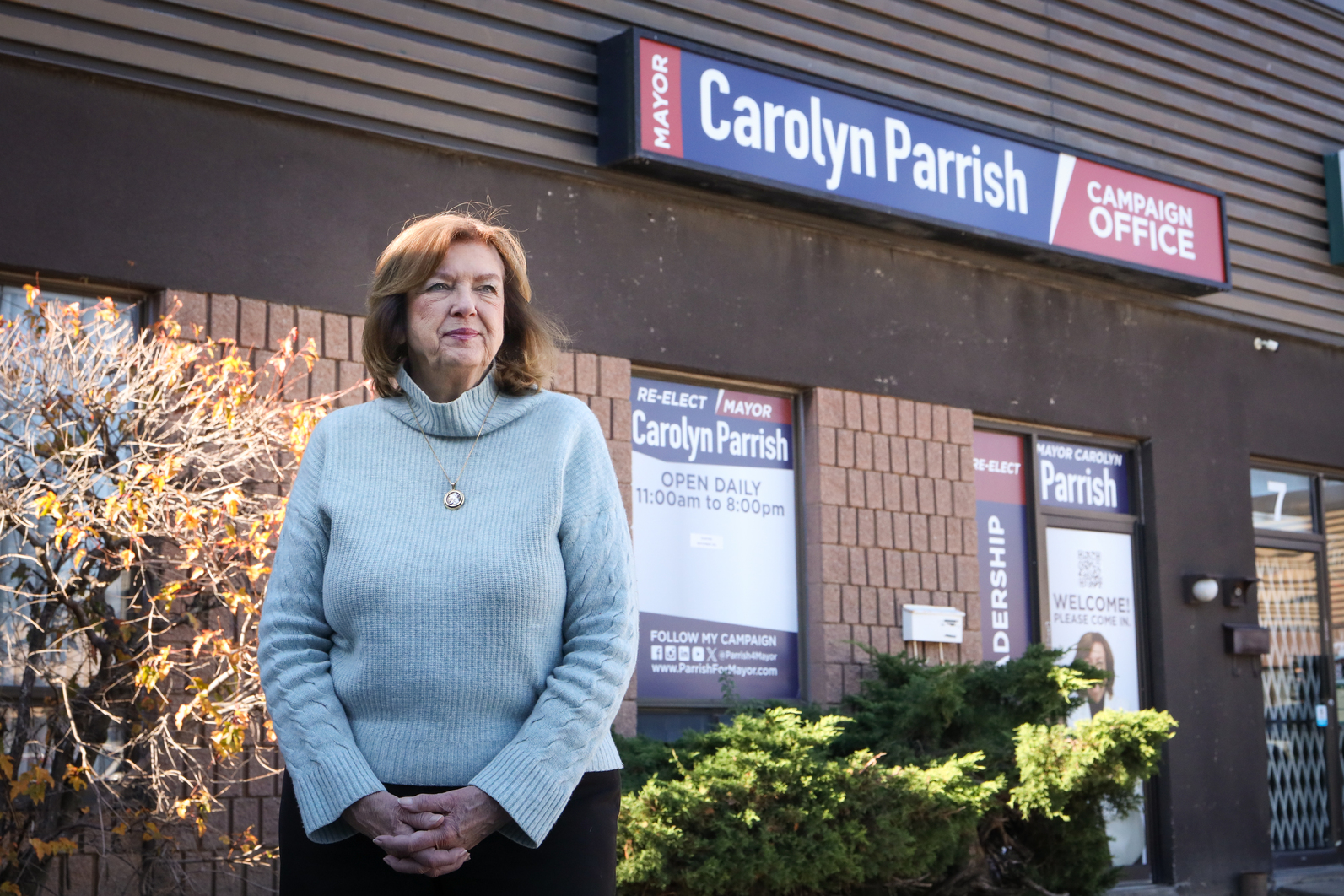
The incumbent — To Crombie, she’s an absentee mayor. But Carolyn Parrish makes no apologies for spending much of her time behind her desk. “I don’t (have) all these numbers memorized without sitting at my desk,” she said. And she has plenty of them, ready as proof she’s been busy.
Some she could recite all day.
50 — the per cent cut to development charges, a recommendation from her developer-heavy housing task force.
128 — the millions in federal money she says covered that cut, so it hasn’t cost the city anything.
401 — the millions in a recent federal-provincial cheque.
2 — the per cent she asked every city department to trim this year.
Others she’d rather not have to explain.
Take 23.3, for example — the historic per cent increase in the Peel Regional Police’s budget, which accounted for half of the 9.2 per cent property tax hike she’s spent much of this campaign defending.
It wasn’t supposed to be that way, she says. The night before the vote, Parrish says she had an agreement with councillors to push for a smaller increase, spread over two years. “We walked in there thinking we had 13 votes,” she recalled. Then Tedjo and two colleagues voted for the budget.
Was she blindsided? “Very much so.”
Tedjo says that’s not how it happened. “The mayor has a very revisionist view of history,” he said. There was no agreement, he insists. Parrish had simply “dictated to council what she wanted to happen.”
Whoever is to blame, the tax bill went out under Parrish’s watch, and she knows it. “No responsible leader would want to impose that on their constituents,” she said. “That’s a terrible thing to do, and it wasn’t our fault, but nobody wants to hear that.”
Would she do it again? “No, I’m smarter now than I was then. I know who I can and can’t trust.”
She says she can only count on six votes on council. Tedjo, she complains, has spent the past year “undermining” her, alongside one or two of whom she describes as “cronies.” She won’t name them.
And she has no time for his promise to freeze taxes. “Anybody who says they’re going to freeze taxes is playing to an audience,” Parrish said. “They’re not telling the truth at all.”
Then there’s 12: the acres of city-owned land at the heart of her signature downtown redevelopment project. The city would build a new music centre, and private partners would add a hotel, rental housing and a school. Both rivals want to scrap it.
To Parrish, that’s the project that pays for everything else. Developers would lease the land, and the city would take a cut of the hotel’s earnings plus property taxes on everything built there.
“If one of them wins and they do away with this proposal, and they freeze taxes,” she said, “it’s going to be really fun to watch how they do that.”
Her most important number: 55.5, the number of events she says she’s averaged each month since January. It’s her response to Crombie’s charge that the mayor is MIA. Parrish spent part of this year recovering from a knee replacement, back at her desk within two weeks, on a walker. “I’m not lazy,” she insists.
No charge seems to irritate her more, but Parrish says it’s the only thing Crombie has on her. “She can’t criticize my ability with numbers,” Parrish said. “So she has to criticize something.”
Is ageism at play? “Probably,” Parrish, 80, said, before taking a shot at her 66-year-old archnemesis. “But she’s no chicken either.”
“A spring chicken,” she added with a grin, then seemed to wish she hadn’t.
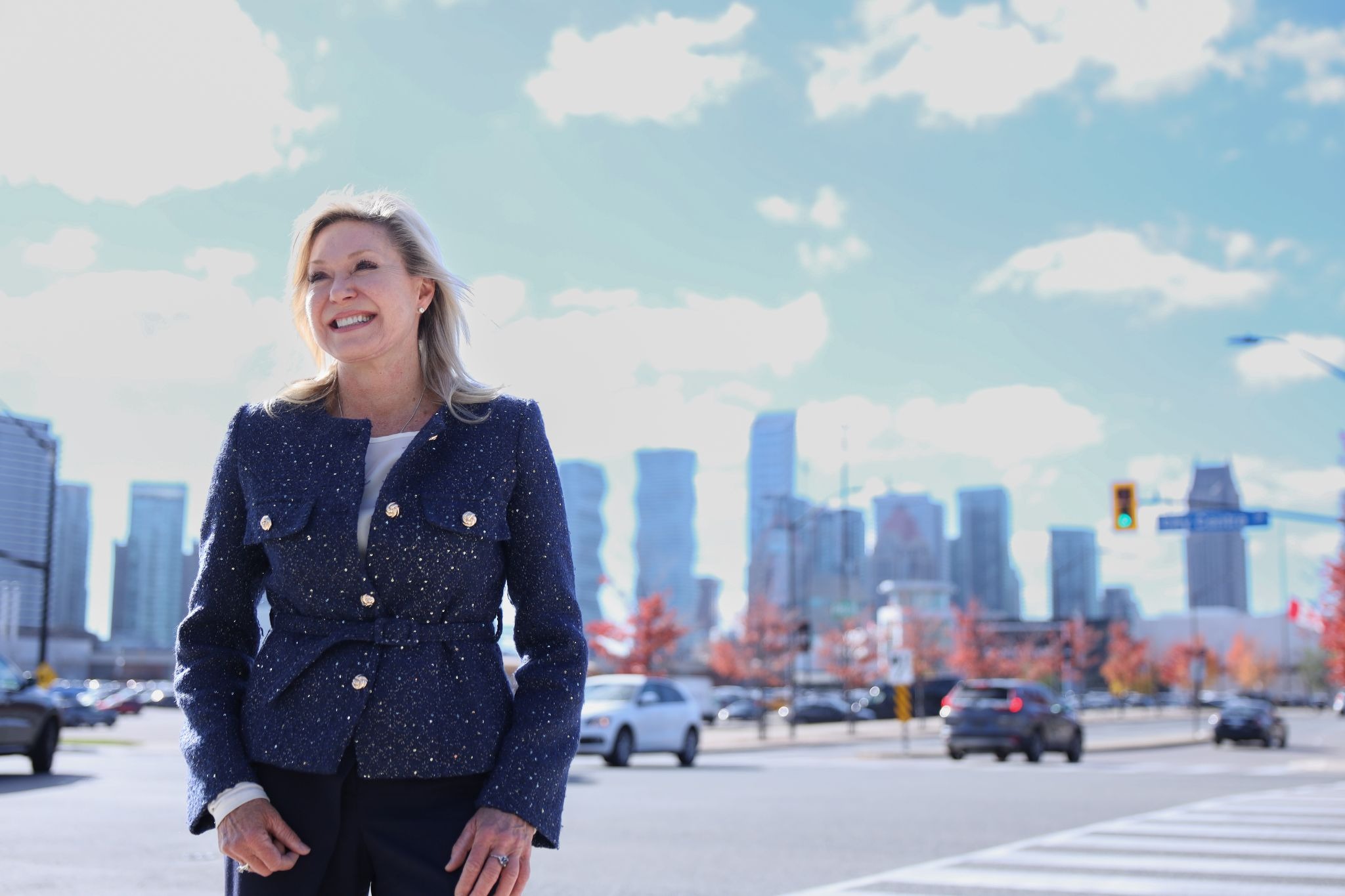
The challenger — It was barely 10 a.m., and Bonnie Crombie was already on her third coffee. Up since dawn, she’d been stumping at GO stations and chasing early commuters, the grind of a candidate who knows this one isn’t in the bag. It’s been, she said, the toughest race of her career.
“Because we all know each other,” she said. “Some of us quite well.”
It didn’t start easy. Before taxes, before transit, Crombie says, voters at the doors had one gripe: “Well, you left.”
The former Liberal leader has an answer ready. Running for premier wasn’t abandoning Mississauga, she argues. It was her way to “fight for more” for the city. “I thought I had a skill set that could help other municipalities across the province, ’cause we’re a very well-run city,” she said. “It didn’t work out.”
Not everyone thought she should come back. Some, Crombie says, told her to take the easy road. “People said, ’Oh, you’ve done it before. Get yourself a lucrative job somewhere,’” she recalled.
One volunteer who canvassed for Crombie was more direct. The doors they knocked for her in the provincial campaign, they said, were “some of the cruelest, frostiest doors I have ever knocked.”
“The doors were so hostile, I could not imagine going back to those doors to ask for their support for her to run again as mayor,” the volunteer added. (Crombie lost in Mississauga East–Cooksville, the riding she ran in, 47 per cent to 43.)
Tedjo, who says he talked to her before she got in, was among those who suggested she sit this one out. Crombie confirms they spoke. “Of course I did,” she said; he was one of many people she consulted. But she doesn’t put much stock in his advice. In her telling, her friend was already eyeing the job himself, and told her what suited him. “I think he (said) that because it was in his self-interest,” she said.
Most, she insists, were pushing the other way. “People were encouraging me to do it.”
The detour, she says, changed her. “I learned a lot along the way,” Crombie said. “I’m a more seasoned, more experienced leader as a result.” She also comes back more at ease. Put to her that she seems more at home in municipal politics than she ever did provincially, she doesn’t argue.
“That’s a good observation.”
Looking back, Crombie concedes that the Liberal red never quite suited her. “I think the Liberal brand… I wasn’t comfortable wearing,” she said. “My policies were very conservative, frankly, and yet I was running as a Liberal.” Fiscally responsible but socially liberal, as she describes herself, Crombie — who quit as the party’s leader in January — concedes that “perhaps the label wasn’t a good fit.”
Divided loyalties: When Tedjo launched his campaign, he did it with support from people who once worked for her, including, most notably, her former campaign manager. Crombie says there’s nothing personal in it. Tedjo, after all, got in first. “He and I are, you know, known Liberal people,” she said. “And he got in sooner.”
Does she wish they’d stuck with her? “Not necessarily,” she said. Her support, she argues, is coming from somewhere else: non-partisan voters “who knew what I had delivered in the past and want that kind of better quality of life again.”
Still, asked whether the campaign has made her doubt anyone’s loyalty, she answers quickly. “I think we all do,” Crombie said. “Election campaigns can bring out the best in people or the worst in people.”
“People show their vested interests.”
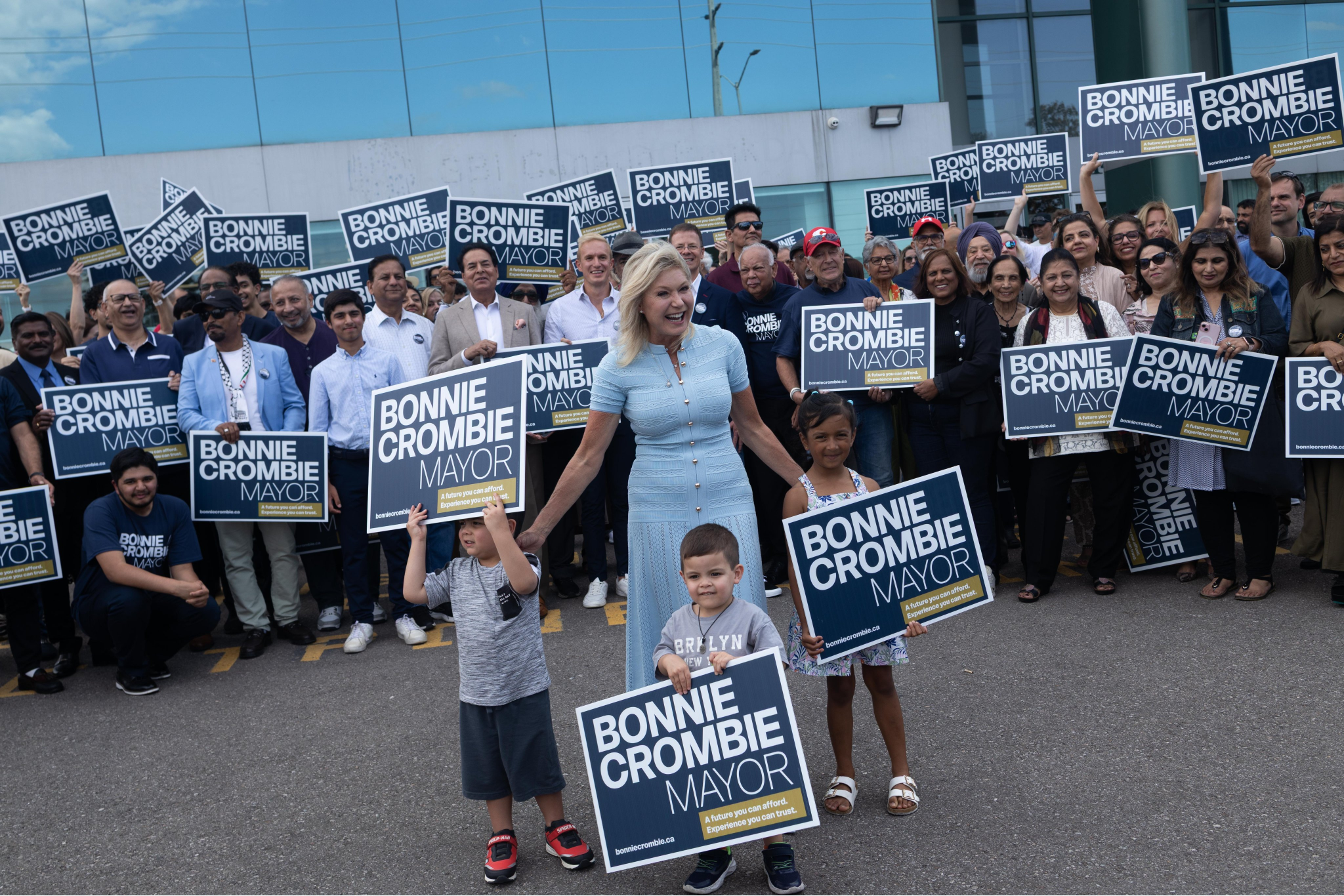
Crombie has done the job before, and like Parrish, came armed with her own numbers.
3.4 — the per cent, she says, that property taxes rose each year on average during her nine years as mayor, city and region combined. The city’s share alone: 1.7.
33 — the millions she says the city drew from reserves to shave down this year’s tax increase, a claim Tedjo and Parrish would both contest.
“That’s a one-trick pony. That money’s gone now,” Crombie said. “(Parrish) has a spending problem. It’s not a revenue problem.”
And 36 — the number of cranes she, whose record on housing has long been a target, counted on her last day as mayor. “I count two today,” she said, the blame implied.
On policing, Crombie says Parrish “abdicated” her responsibilities by walking away from the Peel Regional Police Services Board. That’s where the budget gets made, Crombie says, and Mississauga pays 62 per cent of it. “If she’s not at the table, Mayor (Patrick) Brown will say, ‘Absolutely, more frontline policing,’” she said. “It’s in his interest.”
Parrish says the seat came with a muzzle. Board members, she says, have to sign oaths “that you were not going to criticize anything or say anything publicly,” and a mayor needs to be free to do exactly that. “We’re mayors of large cities,” she said. “We need to be able to criticize the police budgets.”
Besides, she says, she’s in good company. “Hazel never sat on the police board in her 30 years as mayor.” Crombie says McCallion did, at least early on.
Either way, Crombie says she’d have backed the 300 new cops, just not all at once. “You can’t even graduate them from the (police) college that quickly,” she said. Instead, she’d have spread the cost over a few years.
On transit, Crombie’s made the race’s biggest promise — one Parrish has dismissed as a “sexy” gimmick: a subway, extending Line 2 west to Square One. It won’t come within five years, she concedes; it’s “aspirational.” But a partly above-ground route, she argues, could cost around $700 million a kilometre, well below the usual billion.
If it’s such a good idea, why’d she wait till now? Back then, Crombie says, the city wasn’t dense enough, and now it is.
Getting a subway built will run through Doug Ford, the premier she spent two years attacking on live television. So far, his government has shown no sign it would support the idea.
As for the army Ford once promised Parrish, it has not shown up, both candidates say. “I haven’t seen an army,” Crombie said. Parrish agrees, and says she never wanted one. “I don’t want him to win the election for me,” she said. “I want me to win the election.”
Ford, Parrish says, has been “very good to Mississauga,” far better in her two years than before. The reason, she explains, is simple: “I get along with him.” The feeling is mutual. “What you see is what you get,” Housing Minister Rob Flack said earlier this year. Added Nina Tangri, the associate minister of small business: “The relationship has been phenomenal.”
Crombie says the bad blood with Ford is behind her. “I’ve closed that chapter,” she said. Earlier this month, at a gala hosted by the police chief, Crombie and Ford came face to face. She extended her hand; he pulled her in for a hug. He said something like “I hear there’s a comeback,” she recalls. “Keep working hard.”
Parrish would be surprised if he said it. But Ford gets along with people, she allows, and if Crombie wins, he won’t have much choice.
As Liberal leader, Crombie was dismissed by some as “Ford-lite.” Now she’s leaning into the comparison. “We understand each other,” she said. “We’re both retail politicians.”
Detonation — Parrish says she knew within seconds that it would be a long night.
The campaign’s second debate, hosted by Food Banks Mississauga on Oct. 1, had barely begun. Crombie had just taken the stage. “She walked in, her hands were shaking, and she was just wired,” Parrish recalled. “I looked at her and I thought, ‘Ooh, this is gonna be tough.’”
Crombie doesn’t pretend otherwise. Asked if she came in hot, she answered right away. “Yes. I wanted to stand my ground. I knew I would come under attack, particularly by her.”
She had reason to expect it. The two had been trading blows on social media for weeks. Parrish doesn’t regret any of it. “I’m not gonna sit there and be shot at and duck,” she said. “I’d look like a wimp.”
Onstage, Crombie and Parrish wasted no time tearing into each other’s records, so loudly that some in the crowd covered their ears. It wasn’t long before Crombie reached for her trusty line of attack: that her successor spends too much time behind her desk. Parrish bit back. “I show up to everything that’s significant to our city,” she said, “not just in a pretty dress and dancing around in high heels.”
Crombie continued. “Sometimes you have to leave your office, go meet people and convince them that this is the right place to invest to create jobs.”
Then Parrish went for it. “You actually have to show some leadership,” she said. “Our staff is terrified that the blonde bombshell is coming back.”
The room gasped. There was no going back.
Weeks later, Parrish isn’t exactly sorry. She blames the moderator, who she says let Crombie add “a whole sentence or two when her time was up.” “I’m a human being,” Parrish said gently. “If I lost my temper once or twice during that debate, I think I can be forgiven.”
But Crombie isn’t in a forgiving mood. “People don’t want to support a woman who would attack another woman on a stage and call her demeaning names,” she said. “I would rather that it hadn’t become so highly charged, but I think the name-calling was completely inappropriate and unnecessary.”
To Crombie, it wasn’t a slip. It was who Parrish has always been. Her behaviour, Crombie says, is “very Trumpian.” “That’s a character flaw of hers, and I knew that the more she showed that side of her, the more she would lose support.”
The public wasn’t impressed either. Three in four residents consider insults aimed at rivals out of bounds, while only 14 per cent described the campaign as mostly respectful, a Liaison Strategies poll found. 31 per cent said the sniping had become personal, nearly double the 17 per cent who considered it fair.
Meghan Nicholls, CEO of Food Banks Mississauga, says the night was a success by one measure: the livestream has been viewed more than 20,000 times. “In terms of awareness, super positive,” she said. That said, when people bring up the debate, Nicholls explains, it’s the personal attacks they talk about. “Folks have reflected that back to us,” she said. “They were a bit disappointed.”
Nicholls goes back nearly two decades with both women. She wasn’t surprised. “They have a longstanding spirit of competition,” she said, “and that certainly came forward.”
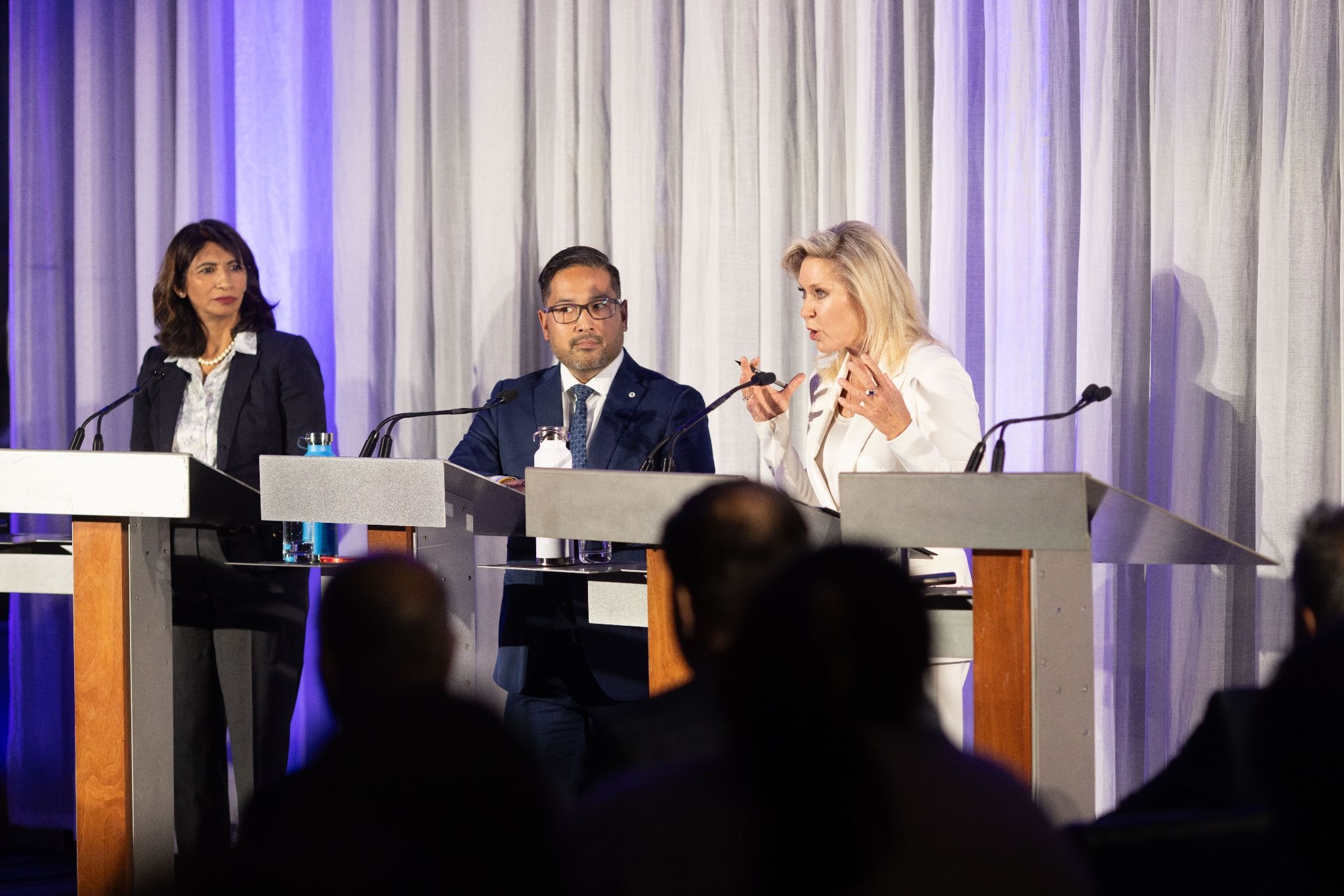
Crombie had more on her mind that evening. There had been threats ahead of the Food Banks debate itself. Then there was a text, which she said told her to withdraw from the next debate, scheduled for Oct. 5, “or face serious consequences.” She knew who it came from, she said, but wouldn’t identify them.
Greg Vezina, leader of the None of the Above Party, later sought an injunction against that debate, and wrote to every campaign urging them “all” to get legal advice. The court turned it down, and the debate went ahead, albeit under a visible police presence, and without Parrish. She has no regrets. “How many times can you beat each other up like that?” she asked.
But it wasn’t the only sign the race had turned ugly. Alleged online threats against Crombie were serious enough that she went to police. She and her team have grown more guarded, especially since August, when she learned that she had been tailed by Tory operatives on a vacation in Jamaica more than two years prior.
Meanwhile, the night of that contested debate, one of Tedjo’s volunteers was stabbed while installing lawn signs. Police have charged one person with assault.
Parrish, for her part, has largely been spared. A third-party billboard bearing her face was spray-painted, for one. But asked whether the race has been nasty, she demurs. “Not nasty,” she said. “It’s sloppy.”
Back at the Food Banks debate, Tedjo laid low. “With Carolyn and Bonnie, they have 15 years of history,” he said of the debate. “They have always been like this behind the scenes. And now people are getting to see it on prime time.”
Voters, he says, watched two mayors go at each other and started looking down the ballot. And by his own account, he gave them something to look at: a candidate who kept it about the city while the others made it about each other. “Do you want more of the same, more of this bickering, more of these personal attacks?” he said. “Or are you ready for something new?”
The numbers suggest he’s onto something.
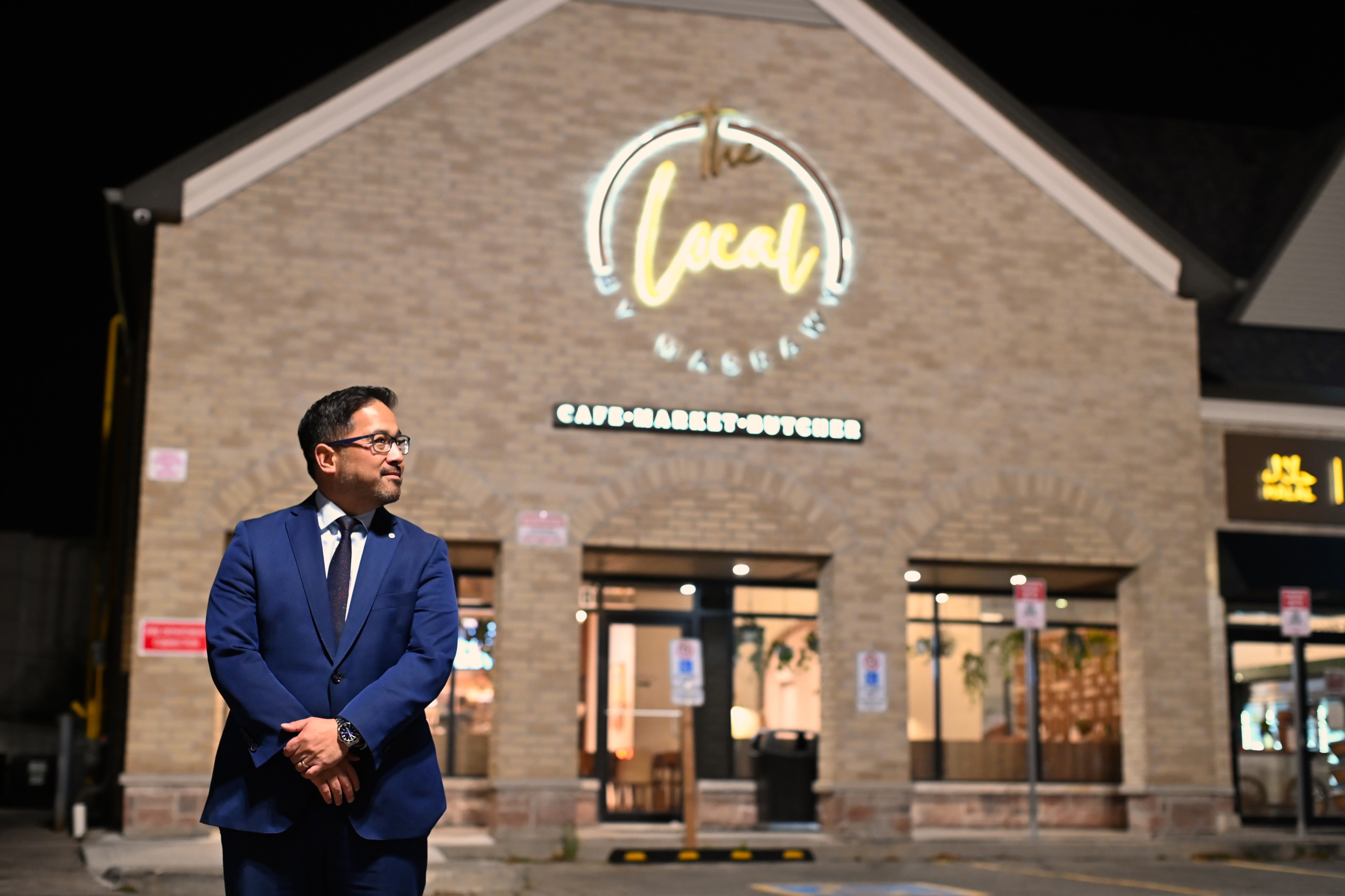
The surge — Alvin Tedjo is no longer the name people ask about. He’s the face they stop.
“People will stop me everywhere,” he said over a late dinner. “At the gym, walking through Square One… It doesn’t matter where it is.”
It wasn’t always like this. When the race began, few gave much thought to Tedjo, the councillor who had lost the by-election to Parrish just two years earlier. He was stuck in single digits, and some doubted he’d last until voting day. To counter, a “confidential” internal survey of his supporters began circulating in group chats, claiming he was “statistically unchanged” from 2024. It looked AI-generated.
But that was then. Now Tedjo, 43, is the one people want to talk to, and what they tell him, he says, is some version of the same thing: That it’s time for change. That he sees the city’s potential. That he’s “finally somebody that represents my generation.”
Parrish and Crombie get stopped too; between them, they’ve run the city for most of the past dozen years. But Tedjo insists it’s not just about name recognition. “It’s not just, ‘Oh, look, I saw you on TikTok,’” he said. “They want to give me reasons.” For a municipal contest, he says, that’s new. “They’ve never had a reason to be excited.”
Tedjo decided to run over Christmas, around the dining room table with his wife and kids. Crombie hadn’t jumped in yet, but Tedjo — who relied heavily on her base in the by-election — says he told her plainly what he planned to do. “If she wants to also run, you know, tell me,” he said. Would it have changed his mind? “It would have been a factor.” But she took too long, and by the time she announced, it didn’t matter. He was already in.
Momentum, or mirage? Tedjo has picked up a string of big endorsements, among them the Peel Regional Police Association, which had never before backed a candidate for mayor. “We believe Alvin is the right man for the job,” said Const. Adrian Woolley, the association’s president.
Crombie argues it shows he’d be a yes man. “I’ve said no to them before,” she said. “I’m a pretty tough negotiator.” The union, she says, went for “door number three” because “maybe he’ll be easier to deal with.” Tedjo bristles at that. “I think we should give them more credit than that,” he said. Many, he noted, live in the city.
Then there’s the city’s Muslim community, which makes up roughly one in six residents. Tedjo has won the endorsement of Mississauga Muslim Vote. The most visible endorsement: Mohamed Fakih, CEO of Paramount Fine Foods, whose company is currently suing, and being sued by, the city.
Fakih, a friend of Crombie’s, says he was “disappointed” by her stance on Israel’s war in Gaza. “I shared my disappointment with her,” he said. “I respected her views, despite my disappointment… And it continued. Her positions continue to be positions that I’m not proud of.”
Not so with Tedjo, he says. “Alvin is more direct,” Fakih said. “You understand where he stands.”
Crombie admits to “a lot of regrets” about how she handled the war as Liberal leader. There were, she said, “lots of interests to balance.” On Fakih, she keeps it brief. “He is a friend,” Crombie said. “He’s entitled to his views. I’ll just leave it there.”
Two years ago, Parrish, openly pro-Palestinian, built a formidable organization among Muslim voters. She says it hasn’t gone anywhere. “The community takes me for granted, and that’s a good thing,” Parrish said. “They know I’m on their side.” Her rivals, she says, are pandering. She hears about it from supporters, who report that “so-and-so was here” handing things out. “I don’t pander to any communities,” Parrish insisted.
But Ahmad Attia, a community leader who organized for Parrish in the by-election, isn’t so sure. “I think there’s truly a lack of real understanding of the Muslim community in Mississauga by all of them,” Attia said.
Parrish, he says, has treated Palestine as the “lock and key,” while voters care just as much about the everyday issues: mosque parking, taxes and safety, for example. When candidates come to speak at mosques, he says, they talk down to the room. “All of them speak to the Muslims like they have very little sophistication on policy,” he said. “So their messaging to the community has very little substance.”
Parrish delivered on some of her commitments to the community, he says, but not all, and never came back to explain why. “She expected everyone to just support her again,” he said. “It’s not my responsibility to be her spokesperson. That’s on her to tell her story, and she didn’t.”
Tedjo, he says, is the one who has actually shown up. “When Alvin engages and he talks about his vision, a lot of Muslim voters care to hear that vision,” Attia said. “They want a vision for their city, a city that their children can grow up in.”
Vision, though, has never been the knock on Tedjo. Experience has.
He doesn’t apologize for that. “What has Bonnie’s quote-unquote experience or Carolyn’s quote-unquote experience gotten us?” Tedjo asked, before answering his own question. “Exactly where we are.” Affordability is worse than ever, he argues, crime is up, and housing and transit aren’t getting built. “So if that’s what experience gets you, then I don’t want it.”
Nor is he apologizing for running again so soon. “Breaking news: politician runs for politics,” he said wryly. “I have run for office less times than every single person I’m running against right now.”
The cost of living is his calling card. He’s pledging a property tax freeze, a vacant homes tax and a New York-style pied-à-terre tax, an annual levy on luxury secondary homes. Both rivals call the freeze a fantasy. Tedjo says it’s the first thing voters bring up. “It’s number one, two and three,” he said. “If Carolyn is saying this can’t be done, it means she’s not trying.”
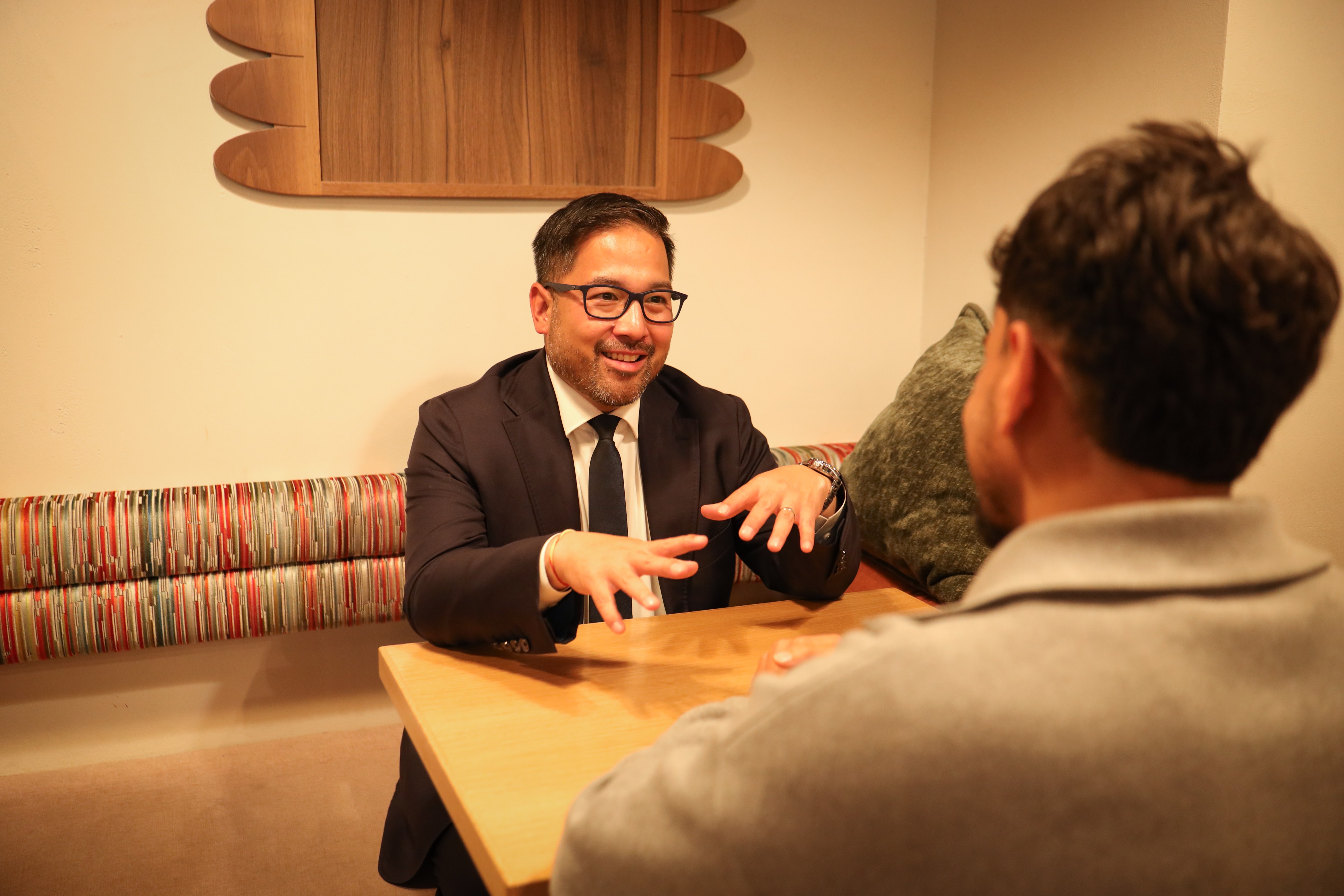
He’s campaigning where candidates rarely go. Instead of relying solely on door-knocking, Tedjo has spent much of the campaign in cafes, pubs and juice bars. Some, he says, have drawn a couple hundred sign-ups from a single social media post. Not everyone who comes is a supporter. “They want to ask real questions, tough questions about how I’m going to pay for certain promises,” he said.
“Everybody will think that the best way to win the election is the way that somebody won the last one,” he said. “And you can’t keep doing that.”
Two years ago, he says, nobody expected much from him, and finishing second felt like a win. This time is different.
“Now I expect to win.”
But Tedjo’s gain has been someone else’s loss.
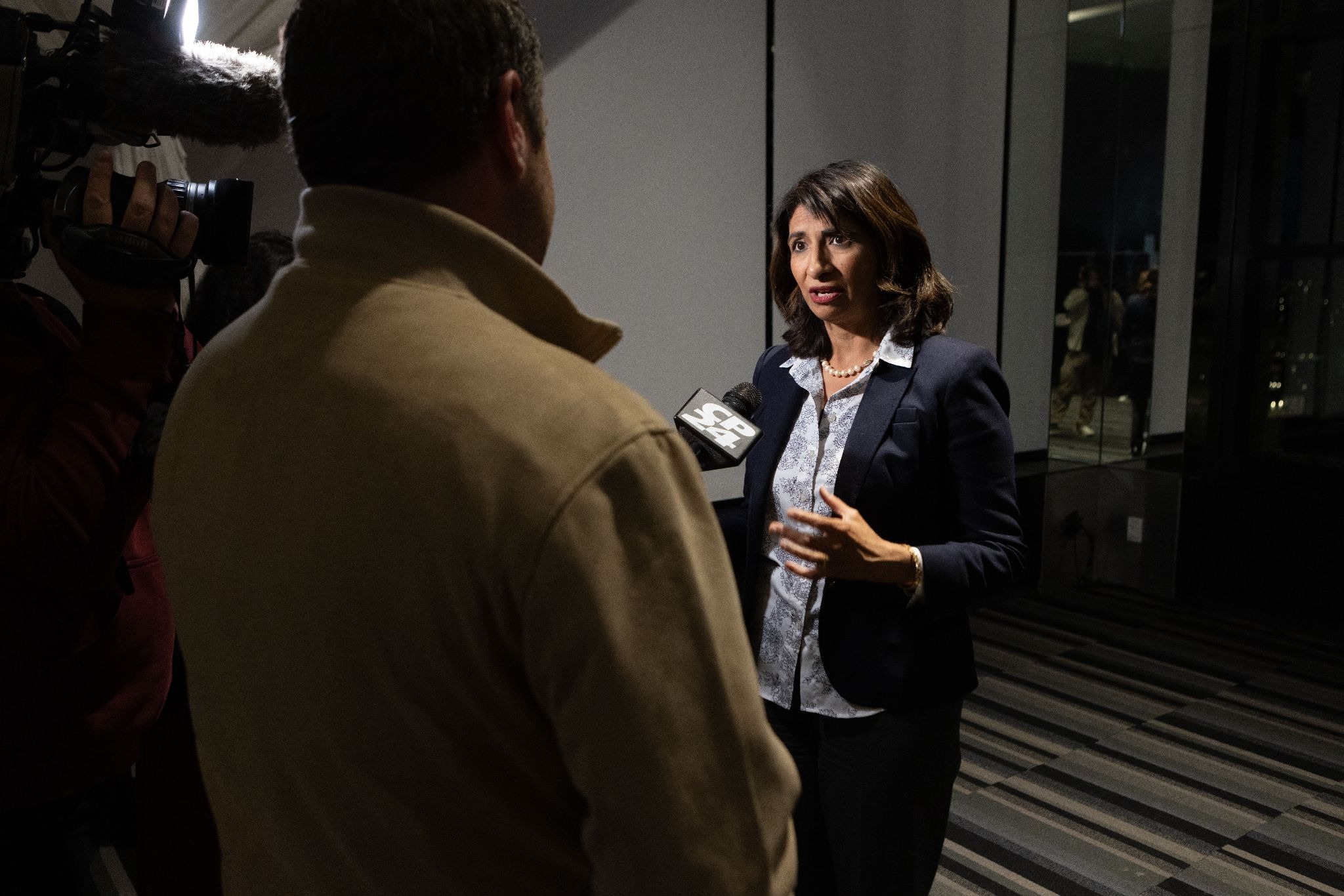
Going viral, going nowhere — Dipika Damerla knew she wanted to run. She spent weeks teasing it, right down to an “It’s time to run” video in which she was, quite literally, lacing up. What she was running for, she didn’t say.
The reason: Damerla was deciding whether to brave another mayoral run — haunted by a disappointing third behind Parrish in the by-election — or simply seek re-election as a councillor.
That wait threw the race in her own ward into limbo. “There was absolutely some uncertainty around whether Dipika would seek re-election, and naturally, that was something I considered,” said Lucas Alves, a local trustee now running for her Ward 7 seat. “At the end of the day, I wanted to run because I care deeply about our neighbourhoods… That wouldn’t have changed regardless of what Dipika decided to do.”
In the end, Damerla opted for the mayoralty. Her launch was, by any measure, slick. It also looked a lot like Zohran Mamdani’s. The resemblance wasn’t just in the tone but in the branding itself, down to a logo that could pass for a cousin of the one that carried the once-obscure legislator to New York City Hall. Damerla built her pitch around accountability, promising to establish a municipal auditor general, a proposal council had already turned down. (Crombie has since embraced the idea, Parrish says she won’t.)
For a while, it worked. Damerla was blowing up online, pulling in views neither Parrish nor Crombie could match. By August, she sat third, ahead of Tedjo, though well behind the two front-runners. Since then, Tedjo has vaulted past Damerla, who is now last among the four.
What happened: Like Parrish, Crombie and Tedjo, Damerla agreed to an interview for this story. Her team scheduled it, only to cancel it due to a “scheduling conflict.”
But behind the scenes, three sources, all granted anonymity to speak candidly, described a campaign going under. They all pointed to the same problem: the candidate herself.
“She had the momentum. She was given professional advice. She was given it by many people, many times,” said one source. “It was always her way or the highway, to her detriment. I think that’s what brought her down.”
A second source, whose assessment the first shared, said they arrived to find “very little infrastructure” and a candidate more “distracted by social media” than focused on traditional campaigning. The result, the source added, was a cash-strapped campaign that leaned heavily on volunteers to do jobs that would normally fall to paid operatives. “Where (were) the campaign operatives?” they asked. “(The campaign) was cheap, cheap, cheap, and it cost her, obviously.”
That squeeze cost Damerla her communications director. By September, Kris Pangilinan was gone, and working for Tedjo instead. The reason: Three sources say the campaign had stopped paying his firm, Kalamansi Communications, and the back pay, along with the rights to her campaign logo, are now at the centre of a legal dispute between both parties.
Pangilinan declined to comment, saying only: “I’m focused on getting Alvin Tedjo elected the next mayor of Mississauga.”
“It is disappointing that, on the eve of an election, anonymous allegations and personal attacks are being used to question the credibility of a campaign that has worked tirelessly to earn the trust of Mississauga residents,” Damerla said in a statement sent half an hour before publication.
“I see no value in dignifying drive-by smear tactics with a response, other than to say there is a troubling pattern in politics where women who demonstrate conviction, make difficult decisions, and insist on accountability are characterized as difficult or unwilling to listen. I welcome robust debate and legitimate scrutiny of my leadership, but I reject personal characterizations that distract from the issues facing Mississauga residents.”
On Pangilinan, Damerla said she ended the relationship with Kalamansi over “unsatisfactory performance and conduct,” and has retained lawyers in the dispute that followed. Given the legal matter, she said, it would be “inappropriate” to comment on specific allegations.
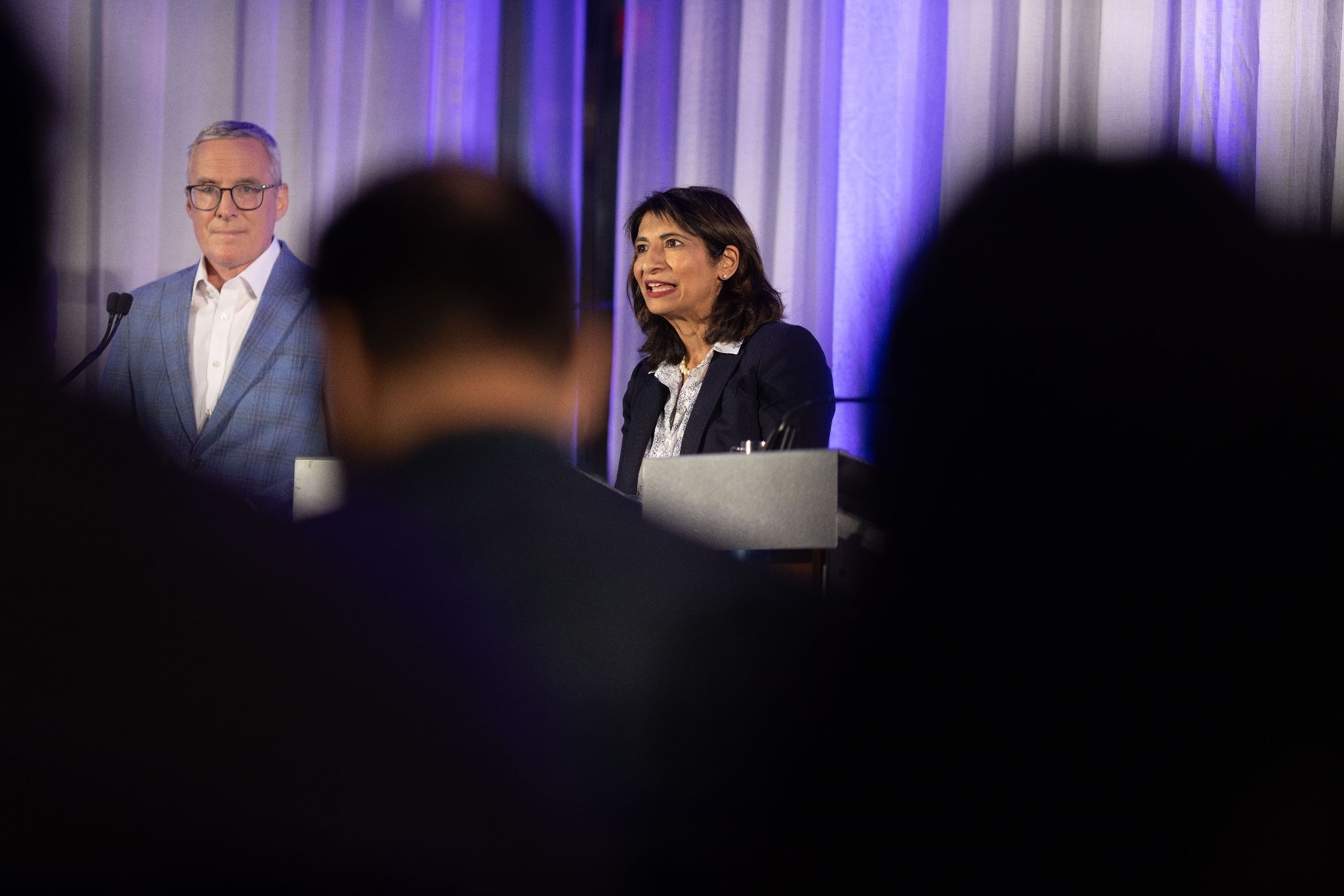
Since her slide, Damerla has had one target: Tedjo. At debates, she has hammered him over her proposal for a city auditor, accusing him of talking a good game on accountability without voting for it. For his part, Tedjo says he seconded a motion calling for a value-for-money audit of the police, and missed the vote on a city auditor because he was away. “It’s a weird thing to say, ‘I got you, you agreed with me, but not as much as you said you agree with me,’” he said.
For most of the campaign, Tedjo let it go. As the only man on stage, he says he was careful not to talk over the women beside him. “I don’t like interrupting people, especially women,” he said. “I’m not going to tell women what to do or how to speak.”
Even so, that patience ran out by the second debate. The typically even-keeled Tedjo confronted Damerla for mocking him.
Ask about it today, and he doesn’t hold back. “I don’t think I’ve been anything but respectful to Dipika the entire time we’ve been colleagues, and I don’t think she’s reciprocated any of that,” Tedjo, growing animated, said. “I think she, honestly, sees me as somebody that should kiss her feet and suck up to her for her experience working at the province and being a cabinet minister. I think she looks down on me, and she looks down on people who are younger than she is.”
Damerla rejected that. “While I may have disagreed on policy with my council colleagues, I have always been respectful,” she said.
If he has a regret, it’s that he didn’t push back sooner. “There were a couple of times that I think Dipika wanted to attack and claim things, and I probably should have said, ’That’s just not true,’” he said.
Then he shrugged. “I try not to think about her too much.”
Now or never — None of them will admit they might lose Monday night. But asked anyway, each gave an answer that had nothing to do with the other two.
Parrish’s was short. “Well, the world won’t end,” she says. “I’ll be very disappointed.”
Ask anyone around her, and they’ll say the job is her passion. She isn’t ready to say goodbye to it just yet — not when it took this long to get, and certainly not to the woman she thought she’d seen the last of.
She says as much herself. “Oh, yeah. I love it.”
Then she looks down. For a moment, it’s hard to tell whether she’s choked up.
Tedjo goes straight to his volunteers, all 300-plus of them. If he loses, he says, he’ll need to make sure they don’t blame themselves.
Would he be disappointed? “Obviously,” Tedjo says, more so than last time, when few gave him a chance. But he insists this fight, however brutal it was, was worth it. “People will want better and expect better from their leaders.”
Of the three, Crombie knows loss best. In the span of a year, she lost the provincial election, her riding, and the leadership she’d given up the mayoralty for. That experience seems to have steadied her. She says she’s proud of the campaign she ran, and is “quietly confident” ahead of Monday.
But she’s made her peace, whichever way it goes. “Whatever will be, will be,” Crombie says.
“It’s in God’s hands.”
Thank you for reading POLICORNER. Who’s your money on in Mississauga? Tell me what you think. I’ll keep you anonymous. We’re back Tuesday morning.
Got 5+ on your team? Team subscriptions are available. Got a client with a message to reach the province’s most powerful players? Ask for our ad rates. Reach out.
Was this email forwarded to you? Sign up now.
Drama in the 905 — Carolyn Parrish doesn’t want to talk about Bonnie Crombie.
We’re barely five minutes into an interview, and she’s had enough of the subject. “Why are we talking about Bonnie?” she asks, mildly annoyed.
Not long ago, she didn’t think she’d have to. Parrish thought she’d seen the last of Crombie.
When the then-Mississauga mayor made her run for Liberal leader in 2023, Parrish, then a city councillor, was eager to see her go. So eager was she that she and her husband, David, took out party memberships to vote for Crombie in the leadership contest. (His name never appeared on the voter list, so only Parrish got to vote.)
“I thought it was time for her to go,” said Parrish, characteristically blunt. “She’d been there quite a while… and I think she had had enough.”
Crombie won the leadership and relinquished the mayoralty. Soon enough, Parrish was elected mayor, beating 19 other candidates in a crowded by-election for a job she’d long wanted. For a while, the two were out of each other’s way: Crombie had Doug Ford to beat, and Parrish had a city to run.
Then, in early 2025, Crombie lost to Ford. Her run as leader would be over before long, ended by a lacklustre leadership review and a caucus threatening revolt. Out of a job, it was hardly a secret that Crombie was taking meetings. “I knew I had one more chapter, and I had to decide how I wanted to spend it,” she said, having considered both private-sector jobs and public appointments.
In the end, Crombie insists, home was the answer. “I realized that I’m really needed back here.”
It was just as Parrish had predicted. Her 15-year rival, whom she once helped send up the ladder and out the door, is back. This time, Crombie’s out to wrest away the job her successor finally won two years ago — the best job Parrish has ever had, she says, and one she isn’t willing to give up, to Crombie or anyone else. It has made for the province’s most-watched, and most bare-knuckled, mayoral contest in years, featuring two of only three people to have held the job since 1978.
For two people who don’t want to talk about each other, Parrish and Crombie can’t seem to stop. There have been online zingers (a “White Christmas” reference here, an AI-made ad featuring an empty desk and abandoned heels there), a debate-stage “blonde bombshell,” and contradictory charges over who abandoned the city.
But the grudge match has been crashed. Alvin Tedjo, the one-term councillor who was Parrish’s runner-up in 2024, has climbed into a three-way tie with the incumbent and her predecessor, running as the generational break from both Parrish and Crombie. Each says he’s eating into the other’s support, but Tedjo has given both plenty of reason to sweat, however much they’d like to tune him out.
Much of that climb has come at the expense of Dipika Damerla, whose campaign has all but imploded. The councillor and former cabinet minister entered the contest running ahead of Tedjo. She’s now in the single digits, has been plagued by turnover, and is tangled in a legal dispute over pay with her former communications director, who is now working for Tedjo. Damerla has vowed to stay in until the end, and on the eve of the election, she’s still here.
That said: A clash of two old adversaries has become a three-way race that any of them could plausibly win. A Parrish or Crombie win Monday night will likely close the other’s political career. A Tedjo win could close both. And in a city that once re-elected the same mayor for 36 years, that’s something of a novelty.
How did a contest between two old rivals turn so acrimonious, so personal and so unpredictable? Here’s the story.
The rivalry — Rewind to 2011.
That year, Crombie beat Parrish, a former councillor, by some 240 votes in a bruising by-election in Ward 5. She had muscle behind her in then-mayor Hazel McCallion, who was bent on keeping Parrish as far away from Mississauga City Hall as she could get her. The reason wasn’t hard to find. Parrish had pushed for the $7-million judicial inquiry into a downtown real estate deal involving McCallion’s son, Peter.
“Hazel encouraged me to run against her because she didn’t want her on council,” Crombie said in an interview. “She felt that she was her nemesis.”
In defeat, Parrish dismissed Crombie as “her blondness,” a failed federal parliamentarian and a “woman under orders.”
Looking back, Parrish calls that race “nasty,” but insists she let it go long ago. Politics, she says, hands everyone a list of enemies; the trick is not to carry it. “I don’t carry grudges. It’s just too burdensome,” she said. “When you’re in this business, you can make all kinds of enemies. If you keep a list of them and you’re carrying them around with you, it’s not a good thing.”
Crombie replaced McCallion as mayor in 2014, and Parrish returned to council, now seated across from the woman who had beaten her three years earlier.
Somehow, they made it work. Parrish says she showed up ready to cooperate. “I always wanted to be a councillor,” she said. “I was happy to be back on, and happy to be a cooperative person.”
Crombie says the same. “Of course, I’m cordial with everyone,” she said coolly. “I’m a professional,” she added, in a thinly veiled shot at Parrish.
There was even a time when Crombie was happy to praise Parrish in public. On the night Parrish won, the former mayor crashed the new mayor’s press conference. The two hugged. Crombie said she’d always known Parrish would win, and predicted she’d make a “formidable mayor.” The praise stayed with Parrish, and these days she likes to remind Crombie of it. She’s been less charitable about the visit itself: “Crombie hijacked a press conference, making it all about Bonnie, her favourite theme,” she once wrote.
It was the kind of friction two politicians can live with when they aren’t in each other’s way. The peace held only so long as one of them was mayor and the other wasn’t. Once they were competing for the same chair, it was over.
Even the McCallions are split.
Hazel’s son, Peter, is supporting Parrish. “Mississauga deserves a mayor who’s focused on the future and not their next move,” he said in a video endorsement Thursday. “That’s why I’m supporting Carolyn Parrish.”
He has said publicly that his mother came to regret endorsing Crombie, a claim Crombie doesn’t buy. “I don’t believe it,” she said. “I think this is constructed for their vested interests, and that’s getting Carolyn elected.”
Hazel’s granddaughter, Erika, is supporting Crombie. She, Crombie said, “knows what was what then.”
The incumbent — To Crombie, she’s an absentee mayor. But Carolyn Parrish makes no apologies for spending much of her time behind her desk. “I don’t (have) all these numbers memorized without sitting at my desk,” she said. And she has plenty of them, ready as proof she’s been busy.
Some she could recite all day.
50 — the per cent cut to development charges, a recommendation from her developer-heavy housing task force.
128 — the millions in federal money she says covered that cut, so it hasn’t cost the city anything.
401 — the millions in a recent federal-provincial cheque.
2 — the per cent she asked every city department to trim this year.
Others she’d rather not have to explain.
Take 23.3, for example — the historic per cent increase in the Peel Regional Police’s budget, which accounted for half of the 9.2 per cent property tax hike she’s spent much of this campaign defending.
It wasn’t supposed to be that way, she says. The night before the vote, Parrish says she had an agreement with councillors to push for a smaller increase, spread over two years. “We walked in there thinking we had 13 votes,” she recalled. Then Tedjo and two colleagues voted for the budget.
Was she blindsided? “Very much so.”
Tedjo says that’s not how it happened. “The mayor has a very revisionist view of history,” he said. There was no agreement, he insists. Parrish had simply “dictated to council what she wanted to happen.”
Whoever is to blame, the tax bill went out under Parrish’s watch, and she knows it. “No responsible leader would want to impose that on their constituents,” she said. “That’s a terrible thing to do, and it wasn’t our fault, but nobody wants to hear that.”
Would she do it again? “No, I’m smarter now than I was then. I know who I can and can’t trust.”
She says she can only count on six votes on council. Tedjo, she complains, has spent the past year “undermining” her, alongside one or two of whom she describes as “cronies.” She won’t name them.
And she has no time for his promise to freeze taxes. “Anybody who says they’re going to freeze taxes is playing to an audience,” Parrish said. “They’re not telling the truth at all.”
Then there’s 12: the acres of city-owned land at the heart of her signature downtown redevelopment project. The city would build a new music centre, and private partners would add a hotel, rental housing and a school. Both rivals want to scrap it.
To Parrish, that’s the project that pays for everything else. Developers would lease the land, and the city would take a cut of the hotel’s earnings plus property taxes on everything built there.
“If one of them wins and they do away with this proposal, and they freeze taxes,” she said, “it’s going to be really fun to watch how they do that.”
Her most important number: 55.5, the number of events she says she’s averaged each month since January. It’s her response to Crombie’s charge that the mayor is MIA. Parrish spent part of this year recovering from a knee replacement, back at her desk within two weeks, on a walker. “I’m not lazy,” she insists.
No charge seems to irritate her more, but Parrish says it’s the only thing Crombie has on her. “She can’t criticize my ability with numbers,” Parrish said. “So she has to criticize something.”
Is ageism at play? “Probably,” Parrish, 80, said, before taking a shot at her 66-year-old archnemesis. “But she’s no chicken either.”
“A spring chicken,” she added with a grin, then seemed to wish she hadn’t.
The challenger — It was barely 10 a.m., and Bonnie Crombie was already on her third coffee. Up since dawn, she’d been stumping at GO stations and chasing early commuters, the grind of a candidate who knows this one isn’t in the bag. It’s been, she said, the toughest race of her career.
“Because we all know each other,” she said. “Some of us quite well.”
It didn’t start easy. Before taxes, before transit, Crombie says, voters at the doors had one gripe: “Well, you left.”
The former Liberal leader has an answer ready. Running for premier wasn’t abandoning Mississauga, she argues. It was her way to “fight for more” for the city. “I thought I had a skill set that could help other municipalities across the province, ’cause we’re a very well-run city,” she said. “It didn’t work out.”
Not everyone thought she should come back. Some, Crombie says, told her to take the easy road. “People said, ’Oh, you’ve done it before. Get yourself a lucrative job somewhere,’” she recalled.
One volunteer who canvassed for Crombie was more direct. The doors they knocked for her in the provincial campaign, they said, were “some of the cruelest, frostiest doors I have ever knocked.”
“The doors were so hostile, I could not imagine going back to those doors to ask for their support for her to run again as mayor,” the volunteer added. (Crombie lost in Mississauga East–Cooksville, the riding she ran in, 47 per cent to 43.)
Tedjo, who says he talked to her before she got in, was among those who suggested she sit this one out. Crombie confirms they spoke. “Of course I did,” she said; he was one of many people she consulted. But she doesn’t put much stock in his advice. In her telling, her friend was already eyeing the job himself, and told her what suited him. “I think he (said) that because it was in his self-interest,” she said.
Most, she insists, were pushing the other way. “People were encouraging me to do it.”
The detour, she says, changed her. “I learned a lot along the way,” Crombie said. “I’m a more seasoned, more experienced leader as a result.” She also comes back more at ease. Put to her that she seems more at home in municipal politics than she ever did provincially, she doesn’t argue.
“That’s a good observation.”
Looking back, Crombie concedes that the Liberal red never quite suited her. “I think the Liberal brand… I wasn’t comfortable wearing,” she said. “My policies were very conservative, frankly, and yet I was running as a Liberal.” Fiscally responsible but socially liberal, as she describes herself, Crombie — who quit as the party’s leader in January — concedes that “perhaps the label wasn’t a good fit.”
Divided loyalties: When Tedjo launched his campaign, he did it with support from people who once worked for her, including, most notably, her former campaign manager. Crombie says there’s nothing personal in it. Tedjo, after all, got in first. “He and I are, you know, known Liberal people,” she said. “And he got in sooner.”
Does she wish they’d stuck with her? “Not necessarily,” she said. Her support, she argues, is coming from somewhere else: non-partisan voters “who knew what I had delivered in the past and want that kind of better quality of life again.”
Still, asked whether the campaign has made her doubt anyone’s loyalty, she answers quickly. “I think we all do,” Crombie said. “Election campaigns can bring out the best in people or the worst in people.”
“People show their vested interests.”
Crombie has done the job before, and like Parrish, came armed with her own numbers.
3.4 — the per cent, she says, that property taxes rose each year on average during her nine years as mayor, city and region combined. The city’s share alone: 1.7.
33 — the millions she says the city drew from reserves to shave down this year’s tax increase, a claim Tedjo and Parrish would both contest.
“That’s a one-trick pony. That money’s gone now,” Crombie said. “(Parrish) has a spending problem. It’s not a revenue problem.”
And 36 — the number of cranes she, whose record on housing has long been a target, counted on her last day as mayor. “I count two today,” she said, the blame implied.
On policing, Crombie says Parrish “abdicated” her responsibilities by walking away from the Peel Regional Police Services Board. That’s where the budget gets made, Crombie says, and Mississauga pays 62 per cent of it. “If she’s not at the table, Mayor (Patrick) Brown will say, ‘Absolutely, more frontline policing,’” she said. “It’s in his interest.”
Parrish says the seat came with a muzzle. Board members, she says, have to sign oaths “that you were not going to criticize anything or say anything publicly,” and a mayor needs to be free to do exactly that. “We’re mayors of large cities,” she said. “We need to be able to criticize the police budgets.”
Besides, she says, she’s in good company. “Hazel never sat on the police board in her 30 years as mayor.” Crombie says McCallion did, at least early on.
Either way, Crombie says she’d have backed the 300 new cops, just not all at once. “You can’t even graduate them from the (police) college that quickly,” she said. Instead, she’d have spread the cost over a few years.
On transit, Crombie’s made the race’s biggest promise — one Parrish has dismissed as a “sexy” gimmick: a subway, extending Line 2 west to Square One. It won’t come within five years, she concedes; it’s “aspirational.” But a partly above-ground route, she argues, could cost around $700 million a kilometre, well below the usual billion.
If it’s such a good idea, why’d she wait till now? Back then, Crombie says, the city wasn’t dense enough, and now it is.
Getting a subway built will run through Doug Ford, the premier she spent two years attacking on live television. So far, his government has shown no sign it would support the idea.
As for the army Ford once promised Parrish, it has not shown up, both candidates say. “I haven’t seen an army,” Crombie said. Parrish agrees, and says she never wanted one. “I don’t want him to win the election for me,” she said. “I want me to win the election.”
Ford, Parrish says, has been “very good to Mississauga,” far better in her two years than before. The reason, she explains, is simple: “I get along with him.” The feeling is mutual. “What you see is what you get,” Housing Minister Rob Flack said earlier this year. Added Nina Tangri, the associate minister of small business: “The relationship has been phenomenal.”
Crombie says the bad blood with Ford is behind her. “I’ve closed that chapter,” she said. Earlier this month, at a gala hosted by the police chief, Crombie and Ford came face to face. She extended her hand; he pulled her in for a hug. He said something like “I hear there’s a comeback,” she recalls. “Keep working hard.”
Parrish would be surprised if he said it. But Ford gets along with people, she allows, and if Crombie wins, he won’t have much choice.
As Liberal leader, Crombie was dismissed by some as “Ford-lite.” Now she’s leaning into the comparison. “We understand each other,” she said. “We’re both retail politicians.”
Detonation — Parrish says she knew within seconds that it would be a long night.
The campaign’s second debate, hosted by Food Banks Mississauga on Oct. 1, had barely begun. Crombie had just taken the stage. “She walked in, her hands were shaking, and she was just wired,” Parrish recalled. “I looked at her and I thought, ‘Ooh, this is gonna be tough.’”
Crombie doesn’t pretend otherwise. Asked if she came in hot, she answered right away. “Yes. I wanted to stand my ground. I knew I would come under attack, particularly by her.”
She had reason to expect it. The two had been trading blows on social media for weeks. Parrish doesn’t regret any of it. “I’m not gonna sit there and be shot at and duck,” she said. “I’d look like a wimp.”
Onstage, Crombie and Parrish wasted no time tearing into each other’s records, so loudly that some in the crowd covered their ears. It wasn’t long before Crombie reached for her trusty line of attack: that her successor spends too much time behind her desk. Parrish bit back. “I show up to everything that’s significant to our city,” she said, “not just in a pretty dress and dancing around in high heels.”
Crombie continued. “Sometimes you have to leave your office, go meet people and convince them that this is the right place to invest to create jobs.”
Then Parrish went for it. “You actually have to show some leadership,” she said. “Our staff is terrified that the blonde bombshell is coming back.”
The room gasped. There was no going back.
Weeks later, Parrish isn’t exactly sorry. She blames the moderator, who she says let Crombie add “a whole sentence or two when her time was up.” “I’m a human being,” Parrish said gently. “If I lost my temper once or twice during that debate, I think I can be forgiven.”
But Crombie isn’t in a forgiving mood. “People don’t want to support a woman who would attack another woman on a stage and call her demeaning names,” she said. “I would rather that it hadn’t become so highly charged, but I think the name-calling was completely inappropriate and unnecessary.”
To Crombie, it wasn’t a slip. It was who Parrish has always been. Her behaviour, Crombie says, is “very Trumpian.” “That’s a character flaw of hers, and I knew that the more she showed that side of her, the more she would lose support.”
The public wasn’t impressed either. Three in four residents consider insults aimed at rivals out of bounds, while only 14 per cent described the campaign as mostly respectful, a Liaison Strategies poll found. 31 per cent said the sniping had become personal, nearly double the 17 per cent who considered it fair.
Meghan Nicholls, CEO of Food Banks Mississauga, says the night was a success by one measure: the livestream has been viewed more than 20,000 times. “In terms of awareness, super positive,” she said. That said, when people bring up the debate, Nicholls explains, it’s the personal attacks they talk about. “Folks have reflected that back to us,” she said. “They were a bit disappointed.”
Nicholls goes back nearly two decades with both women. She wasn’t surprised. “They have a longstanding spirit of competition,” she said, “and that certainly came forward.”
Crombie had more on her mind that evening. There had been threats ahead of the Food Banks debate itself. Then there was a text, which she said told her to withdraw from the next debate, scheduled for Oct. 5, “or face serious consequences.” She knew who it came from, she said, but wouldn’t identify them.
Greg Vezina, leader of the None of the Above Party, later sought an injunction against that debate, and wrote to every campaign urging them “all” to get legal advice. The court turned it down, and the debate went ahead, albeit under a visible police presence, and without Parrish. She has no regrets. “How many times can you beat each other up like that?” she asked.
But it wasn’t the only sign the race had turned ugly. Alleged online threats against Crombie were serious enough that she went to police. She and her team have grown more guarded, especially since August, when she learned that she had been tailed by Tory operatives on a vacation in Jamaica more than two years prior.
Meanwhile, the night of that contested debate, one of Tedjo’s volunteers was stabbed while installing lawn signs. Police have charged one person with assault.
Parrish, for her part, has largely been spared. A third-party billboard bearing her face was spray-painted, for one. But asked whether the race has been nasty, she demurs. “Not nasty,” she said. “It’s sloppy.”
Back at the Food Banks debate, Tedjo laid low. “With Carolyn and Bonnie, they have 15 years of history,” he said of the debate. “They have always been like this behind the scenes. And now people are getting to see it on prime time.”
Voters, he says, watched two mayors go at each other and started looking down the ballot. And by his own account, he gave them something to look at: a candidate who kept it about the city while the others made it about each other. “Do you want more of the same, more of this bickering, more of these personal attacks?” he said. “Or are you ready for something new?”
The numbers suggest he’s onto something.
The surge — Alvin Tedjo is no longer the name people ask about. He’s the face they stop.
“People will stop me everywhere,” he said over a late dinner. “At the gym, walking through Square One… It doesn’t matter where it is.”
It wasn’t always like this. When the race began, few gave much thought to Tedjo, the councillor who had lost the by-election to Parrish just two years earlier. He was stuck in single digits, and some doubted he’d last until voting day. To counter, a “confidential” internal survey of his supporters began circulating in group chats, claiming he was “statistically unchanged” from 2024. It looked AI-generated.
But that was then. Now Tedjo, 43, is the one people want to talk to, and what they tell him, he says, is some version of the same thing: That it’s time for change. That he sees the city’s potential. That he’s “finally somebody that represents my generation.”
Parrish and Crombie get stopped too; between them, they’ve run the city for most of the past dozen years. But Tedjo insists it’s not just about name recognition. “It’s not just, ‘Oh, look, I saw you on TikTok,’” he said. “They want to give me reasons.” For a municipal contest, he says, that’s new. “They’ve never had a reason to be excited.”
Tedjo decided to run over Christmas, around the dining room table with his wife and kids. Crombie hadn’t jumped in yet, but Tedjo — who relied heavily on her base in the by-election — says he told her plainly what he planned to do. “If she wants to also run, you know, tell me,” he said. Would it have changed his mind? “It would have been a factor.” But she took too long, and by the time she announced, it didn’t matter. He was already in.
Momentum, or mirage? Tedjo has picked up a string of big endorsements, among them the Peel Regional Police Association, which had never before backed a candidate for mayor. “We believe Alvin is the right man for the job,” said Const. Adrian Woolley, the association’s president.
Crombie argues it shows he’d be a yes man. “I’ve said no to them before,” she said. “I’m a pretty tough negotiator.” The union, she says, went for “door number three” because “maybe he’ll be easier to deal with.” Tedjo bristles at that. “I think we should give them more credit than that,” he said. Many, he noted, live in the city.
Then there’s the city’s Muslim community, which makes up roughly one in six residents. Tedjo has won the endorsement of Mississauga Muslim Vote. The most visible endorsement: Mohamed Fakih, CEO of Paramount Fine Foods, whose company is currently suing, and being sued by, the city.
Fakih, a friend of Crombie’s, says he was “disappointed” by her stance on Israel’s war in Gaza. “I shared my disappointment with her,” he said. “I respected her views, despite my disappointment… And it continued. Her positions continue to be positions that I’m not proud of.”
Not so with Tedjo, he says. “Alvin is more direct,” Fakih said. “You understand where he stands.”
Crombie admits to “a lot of regrets” about how she handled the war as Liberal leader. There were, she said, “lots of interests to balance.” On Fakih, she keeps it brief. “He is a friend,” Crombie said. “He’s entitled to his views. I’ll just leave it there.”
Two years ago, Parrish, openly pro-Palestinian, built a formidable organization among Muslim voters. She says it hasn’t gone anywhere. “The community takes me for granted, and that’s a good thing,” Parrish said. “They know I’m on their side.” Her rivals, she says, are pandering. She hears about it from supporters, who report that “so-and-so was here” handing things out. “I don’t pander to any communities,” Parrish insisted.
But Ahmad Attia, a community leader who organized for Parrish in the by-election, isn’t so sure. “I think there’s truly a lack of real understanding of the Muslim community in Mississauga by all of them,” Attia said.
Parrish, he says, has treated Palestine as the “lock and key,” while voters care just as much about the everyday issues: mosque parking, taxes and safety, for example. When candidates come to speak at mosques, he says, they talk down to the room. “All of them speak to the Muslims like they have very little sophistication on policy,” he said. “So their messaging to the community has very little substance.”
Parrish delivered on some of her commitments to the community, he says, but not all, and never came back to explain why. “She expected everyone to just support her again,” he said. “It’s not my responsibility to be her spokesperson. That’s on her to tell her story, and she didn’t.”
Tedjo, he says, is the one who has actually shown up. “When Alvin engages and he talks about his vision, a lot of Muslim voters care to hear that vision,” Attia said. “They want a vision for their city, a city that their children can grow up in.”
Vision, though, has never been the knock on Tedjo. Experience has.
He doesn’t apologize for that. “What has Bonnie’s quote-unquote experience or Carolyn’s quote-unquote experience gotten us?” Tedjo asked, before answering his own question. “Exactly where we are.” Affordability is worse than ever, he argues, crime is up, and housing and transit aren’t getting built. “So if that’s what experience gets you, then I don’t want it.”
Nor is he apologizing for running again so soon. “Breaking news: politician runs for politics,” he said wryly. “I have run for office less times than every single person I’m running against right now.”
The cost of living is his calling card. He’s pledging a property tax freeze, a vacant homes tax and a New York-style pied-à-terre tax, an annual levy on luxury secondary homes. Both rivals call the freeze a fantasy. Tedjo says it’s the first thing voters bring up. “It’s number one, two and three,” he said. “If Carolyn is saying this can’t be done, it means she’s not trying.”
He’s campaigning where candidates rarely go. Instead of relying solely on door-knocking, Tedjo has spent much of the campaign in cafes, pubs and juice bars. Some, he says, have drawn a couple hundred sign-ups from a single social media post. Not everyone who comes is a supporter. “They want to ask real questions, tough questions about how I’m going to pay for certain promises,” he said.
“Everybody will think that the best way to win the election is the way that somebody won the last one,” he said. “And you can’t keep doing that.”
Two years ago, he says, nobody expected much from him, and finishing second felt like a win. This time is different.
“Now I expect to win.”
But Tedjo’s gain has been someone else’s loss.
Going viral, going nowhere — Dipika Damerla knew she wanted to run. She spent weeks teasing it, right down to an “It’s time to run” video in which she was, quite literally, lacing up. What she was running for, she didn’t say.
The reason: Damerla was deciding whether to brave another mayoral run — haunted by a disappointing third behind Parrish in the by-election — or simply seek re-election as a councillor.
That wait threw the race in her own ward into limbo. “There was absolutely some uncertainty around whether Dipika would seek re-election, and naturally, that was something I considered,” said Lucas Alves, a local trustee now running for her Ward 7 seat. “At the end of the day, I wanted to run because I care deeply about our neighbourhoods… That wouldn’t have changed regardless of what Dipika decided to do.”
In the end, Damerla opted for the mayoralty. Her launch was, by any measure, slick. It also looked a lot like Zohran Mamdani’s. The resemblance wasn’t just in the tone but in the branding itself, down to a logo that could pass for a cousin of the one that carried the once-obscure legislator to New York City Hall. Damerla built her pitch around accountability, promising to establish a municipal auditor general, a proposal council had already turned down. (Crombie has since embraced the idea, Parrish says she won’t.)
For a while, it worked. Damerla was blowing up online, pulling in views neither Parrish nor Crombie could match. By August, she sat third, ahead of Tedjo, though well behind the two front-runners. Since then, Tedjo has vaulted past Damerla, who is now last among the four.
What happened: Like Parrish, Crombie and Tedjo, Damerla agreed to an interview for this story. Her team scheduled it, only to cancel it due to a “scheduling conflict.”
But behind the scenes, three sources, all granted anonymity to speak candidly, described a campaign going under. They all pointed to the same problem: the candidate herself.
“She had the momentum. She was given professional advice. She was given it by many people, many times,” said one source. “It was always her way or the highway, to her detriment. I think that’s what brought her down.”
A second source, whose assessment the first shared, said they arrived to find “very little infrastructure” and a candidate more “distracted by social media” than focused on traditional campaigning. The result, the source added, was a cash-strapped campaign that leaned heavily on volunteers to do jobs that would normally fall to paid operatives. “Where (were) the campaign operatives?” they asked. “(The campaign) was cheap, cheap, cheap, and it cost her, obviously.”
That squeeze cost Damerla her communications director. By September, Kris Pangilinan was gone, and working for Tedjo instead. The reason: Three sources say the campaign had stopped paying his firm, Kalamansi Communications, and the back pay, along with the rights to her campaign logo, are now at the centre of a legal dispute between both parties.
Pangilinan declined to comment, saying only: “I’m focused on getting Alvin Tedjo elected the next mayor of Mississauga.”
“It is disappointing that, on the eve of an election, anonymous allegations and personal attacks are being used to question the credibility of a campaign that has worked tirelessly to earn the trust of Mississauga residents,” Damerla said in a statement sent half an hour before publication.
“I see no value in dignifying drive-by smear tactics with a response, other than to say there is a troubling pattern in politics where women who demonstrate conviction, make difficult decisions, and insist on accountability are characterized as difficult or unwilling to listen. I welcome robust debate and legitimate scrutiny of my leadership, but I reject personal characterizations that distract from the issues facing Mississauga residents.”
On Pangilinan, Damerla said she ended the relationship with Kalamansi over “unsatisfactory performance and conduct,” and has retained lawyers in the dispute that followed. Given the legal matter, she said, it would be “inappropriate” to comment on specific allegations.
Since her slide, Damerla has had one target: Tedjo. At debates, she has hammered him over her proposal for a city auditor, accusing him of talking a good game on accountability without voting for it. For his part, Tedjo says he seconded a motion calling for a value-for-money audit of the police, and missed the vote on a city auditor because he was away. “It’s a weird thing to say, ‘I got you, you agreed with me, but not as much as you said you agree with me,’” he said.
For most of the campaign, Tedjo let it go. As the only man on stage, he says he was careful not to talk over the women beside him. “I don’t like interrupting people, especially women,” he said. “I’m not going to tell women what to do or how to speak.”
Even so, that patience ran out by the second debate. The typically even-keeled Tedjo confronted Damerla for mocking him.
Ask about it today, and he doesn’t hold back. “I don’t think I’ve been anything but respectful to Dipika the entire time we’ve been colleagues, and I don’t think she’s reciprocated any of that,” Tedjo, growing animated, said. “I think she, honestly, sees me as somebody that should kiss her feet and suck up to her for her experience working at the province and being a cabinet minister. I think she looks down on me, and she looks down on people who are younger than she is.”
Damerla rejected that. “While I may have disagreed on policy with my council colleagues, I have always been respectful,” she said.
If he has a regret, it’s that he didn’t push back sooner. “There were a couple of times that I think Dipika wanted to attack and claim things, and I probably should have said, ’That’s just not true,’” he said.
Then he shrugged. “I try not to think about her too much.”
Now or never — None of them will admit they might lose Monday night. But asked anyway, each gave an answer that had nothing to do with the other two.
Parrish’s was short. “Well, the world won’t end,” she says. “I’ll be very disappointed.”
Ask anyone around her, and they’ll say the job is her passion. She isn’t ready to say goodbye to it just yet — not when it took this long to get, and certainly not to the woman she thought she’d seen the last of.
She says as much herself. “Oh, yeah. I love it.”
Then she looks down. For a moment, it’s hard to tell whether she’s choked up.
Tedjo goes straight to his volunteers, all 300-plus of them. If he loses, he says, he’ll need to make sure they don’t blame themselves.
Would he be disappointed? “Obviously,” Tedjo says, more so than last time, when few gave him a chance. But he insists this fight, however brutal it was, was worth it. “People will want better and expect better from their leaders.”
Of the three, Crombie knows loss best. In the span of a year, she lost the provincial election, her riding, and the leadership she’d given up the mayoralty for. That experience seems to have steadied her. She says she’s proud of the campaign she ran, and is “quietly confident” ahead of Monday.
But she’s made her peace, whichever way it goes. “Whatever will be, will be,” Crombie says.
“It’s in God’s hands.”
Thank you for reading POLICORNER. Who’s your money on in Mississauga? Tell me what you think. I’ll keep you anonymous. We’re back Tuesday morning.
Got 5+ on your team? Team subscriptions are available. Got a client with a message to reach the province’s most powerful players? Ask for our ad rates. Reach out.
Was this email forwarded to you? Sign up now.